
无体腔动物
定义编辑本段
无体腔动物指缺乏真体腔(coelom)的后生动物类群,其体壁与内脏之间无中胚层来源的腔隙填充,代之以实质组织(parenchyma)或胶质基质。此类动物体型扁平,依赖扩散作用进行物质运输,主要包括扁形动物门(Platyhelminthes)、纽形动物门(Nemertea)、腹毛动物门(Gastrotricha)等,在动物演化树上代表两侧对称动物的早期分支。
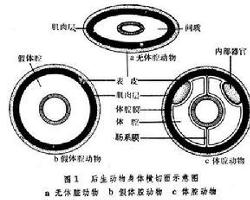
分类与代表类群编辑本段
| 类群 | 体腔替代结构 | 典型特征 | 代表物种 |
|---|---|---|---|
| 扁形动物门(Platyhelminthes) | 实质组织(间充质细胞 + 胶原基质) | 无肛门,梯式神经系统 | 涡虫(Schmidtea) |
| 纽形动物门(Nemertea) | 吻腔(rhynchocoel,非中胚层腔) | 具可伸缩长吻,循环系统 | 脑纽虫(Cerebratulus) |
| 腹毛动物门(Gastrotricha) | 胶质基质(无细胞结构) | 体表纤毛带,粘附腺 | Chaetonotus |
| 内肛动物门(Entoprocta) | 微小假体腔(争议) | U形消化管,触手冠 | 海花柄(Barentsia) |
关键适应机制编辑本段
演化与生态意义编辑本段
研究热点编辑本段
未来方向编辑本段
参考资料编辑本段
- Wurtzel, O., et al. (2015). A generic and cell-type-specific wound response precedes regeneration in planarians. Developmental Cell, 35(5), 632-645.
- Protasio, A. V., et al. (2012). A systematically improved high quality genome and transcriptome of the human blood fluke Schistosoma mansoni. PLoS Neglected Tropical Diseases, 6(1), e1455.
- Rupert, E. E., & Barnes, R. D. (1994). Invertebrate Zoology (6th ed.). Saunders College Publishing.
- Ruppert, E. E., Fox, R. S., & Barnes, R. D. (2004). Invertebrate Zoology: A Functional Evolutionary Approach (7th ed.). Brooks/Cole.
- 张志杰, 赵云龙. (2021). 动物生物学. 高等教育出版社.
- 刘凌云, 郑光美. (2019). 普通动物学 (第4版). 高等教育出版社.
附件列表
词条内容仅供参考,如果您需要解决具体问题
(尤其在法律、医学等领域),建议您咨询相关领域专业人士。